2 Chronic Conditions That Can Cause Cancer

Presented by TP Mechanical | Provided by HORAN

New research suggests that nearly 6 percent of cancers (792,600 cancer cases) can be at least partly attributed to obesity and diabetes. The study, which was published online on The Lancet Diabetes & Endocrinology website, states that diabetes and a high body mass index (greater than 25) are both associated with a higher risk of certain cancers and are increasing in prevalence.

Fortunately, Type 2 diabetes and obesity can be prevented with proper lifestyle changes, which include the following:

  • Avoiding tobacco
  • Exercising regularly
  • Maintaining a healthy weight
  • Eating a healthy diet and limiting your intake of unhealthy foods
  • Managing your stress
  • Regularly checking your cholesterol and blood pressure
  • Visiting your doctor for routine preventive care

Implementing the above prevention tips can help you remain healthy and avoid developing chronic conditions like obesity and Type 2 diabetes, which, in turn, can help lower your risk of  certain cancers. For more information, please review the full-text version of the study.


This article is intended for informational purposes only and is not intended to be exhaustive, nor should any discussion or opinions be construed as professional advice. Readers should contact a health professional for appropriate advice.

© 2018 Zywave, Inc. All rights reserved.

Avocados: A Legitimately Healthy Food Craze

Presented by TP Mechanical | Provided by HORAN

According to Telsey Advisory Group, a firm focused on evaluating the consumer market, avocado consumption in the United States has quadrupled since 2000. And, unlike many other health food crazes, avocados are actually good for you.

While it is true that avocados contain more calories and fat than other fruits or vegetables (one-fifth of an avocado contains 50 calories and 4.5 grams of fat), they also have many health benefits. Avocados contain heart- healthy unsaturated fat, which can help lower cholesterol. In addition, they are packed with vitamins, minerals and fiber that are part of a healthy diet.

A Common Cold Can Be Contagious for Longer Than You Think

Presented by TP Mechanical | Provided by HORAN

The winter months are commonly associated with decreasing temperatures and increasing cases of the common cold. Typically, symptoms of the common cold come on gradually, and may start with a sore throat or irritated sinuses.

According to Healthline, when you have a cold, you’re contagious approximately one to two days before symptoms start and can continue to be contagious for up to seven days after you’ve become sick. Unfortunately, many people can’t stay home for that long of a time to fully recover. Consider the following suggestions to help avoid becoming ill or passing on a cold to a co-worker, friend or family member:

  • Wash your hands with warm water and soap
  • Avoid touching your eyes, mouth and
  • Sanitize commonly touched
  • Always cough and sneeze into your elbow—not your hands—to prevent spreading germs.

Key Safety Guidelines to Prevent Carbon Monoxide Poisoning

Safety First, Always First.”

With winter’s colder temperatures and heating systems running around the clock, it is important to be aware of the heightened risk and symptoms of carbon monoxide poisoning.

Carbon monoxide (CO) is an odorless, colorless and toxic gas that is produced when incomplete combustion of carbon-containing materials (i.e., natural gas) occurs. Because it’s odorless and colorless, CO often goes undetected. With many facilities and homes utilizing natural gas furnaces and water heaters, winter weather puts everyone at an increased risk of CO poisoning.

“Risks for CO poisoning are higher than many realize, especially because the causes are often overlooked in our day-to-day lives,” says Jamie Absher, Safety Specialist at TP Mechanical. “It could be something as simple as a faulty gas line or an improperly vented furnace – which are preventable with proper maintenance.”

According to the Public Utilities Commission of Ohio (PUCO), here are some ways to reduce the risk of carbon monoxide poisoning:

  • Install a carbon monoxide detector. These devices work similarly to a smoke detector, only they measure the amount of carbon monoxide in the air.
  • Have appliances that use natural gas inspected by a qualified repair person once a year.
  • Inspect the vents, flues and chimneys of all gas water heaters, furnaces and fireplaces to ensure proper ventilation of exhaust.
  • Never use an oven to heat rooms. This can damage the oven and cause carbon monoxide to be released into the building.
  • Never heat a room with a gas or kerosene space heater that does not have proper venting.

Why is monitoring CO levels and preventing CO poisoning so critical? Because the effects can be permanent or fatal, as CO exposure hampers our blood’s ability to carry oxygen to body tissues and vital organs. According to the Centers for Disease Control and Prevention (CDC), hypoxia (severe oxygen deficiency) due to acute CO poisoning may result in long-term or irreversible brain or heart damage.

Some common symptoms of CO exposure include:

  • Headache
  • Nausea
  • Rapid breathing
  • Weakness
  • Exhaustion
  • Dizziness
  • Confusion

“If your CO alarm goes off or you experience any CO exposure symptoms, do not hesitate to act,” says Jamie. “Immediately move to fresh air and contact the local emergency services or call 911.”

To learn more about our commitment to workplace health and safety, visit http://www.tpmechanical.com/about-tp/safety/.

People Behind TP Mechanical Introduces Ali Jansen

Ali started with TP Mechanical over a year ago as our Customer Relationship Manager in the Columbus region. Ali’s primary responsibility is to build stronger relationships with our customers.
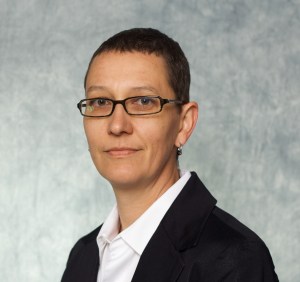
Through our Voice of the Customer program, Ali coordinates meetings with customers and our sales representatives and managers to discuss their current relationship with TP Mechanical. These meetings provide us with valuable insight and allow us to be proactive in our partnerships. As the voice of our customers, Ali helps us discover how we can better meet their needs.

“TP Mechanical truly cares about their customers and employees,” says Ali. “Everyone here is like family looking out for each other, and we do the same for our customers.”

One of the ways Ali looks out for our customers is by tracking their future preventative maintenance needs based on ASHRAE equipment life expectancies. This allows us to work proactively with our customers, so they can avoid costly downtime and repairs at their facilities.

In one of her additional roles, Ali works closely with Matt Anderson, our Commercial Business Development Leader, and our commercial operations managers to help manage our relationships with general contractors. This helps us continually improve upon our current business partnerships, as well as our processes for the future.

Ali stands out to customers and coworkers because of her diligence, honesty and caring nature.

Winter Sports Safety Tips

Presented by TP Mechanical | Provided by HORAN

The cold, crisp air and breathtaking views are just a few of the simple joys associated with winter sports. To ensure that your skiing or snowboarding excursions remain safe, be sure to keep in mind the following five tips:

  1. Inspect your skiing or snowboarding equipment to ensure that it is in good working condition.
  2. Wear protective headgear, such as a helmet and snow goggles.
  3. Yield to skiers or snowboarders in front of or below you on the slope.
  4. Carry a fully charged cellphone with you at all times.
  5. Never drink alcohol while skiing or snowboarding.

January: Thyroid Awareness Month

Presented by TP Mechanical | Provided by HORAN

The thyroid gland is a small, butterfly-shaped gland located at the base of the neck that helps control the function of many of the body’s organs and helps to set the metabolism. According to the Cleveland Clinic Foundation, approximately 20 million Americans have some form of thyroid disease and an estimated 12 percent of the population will develop a thyroid condition in their lifetime.

Fortunately, the American Journal of Medicine reports that early detection of a thyroid disorder is as cost-effective as early detection of common chronic conditions. In honor of Thyroid Awareness Month, take some time to become familiar with the most common risk factors, which include the following:

  • Being female—Women are five to eight times more likely to suffer from a thyroid disorder than men are.
  • Age—The Thyroid Foundation of America recommends that women get annual thyroid hormone level tests yearly starting at age 50 and that men should get yearly tests beginning at age 60.
  • A family history—If thyroid disease runs in the family, testing every five years after age 35 is recommended.
  • Pregnancy—Thyroid conditions can arise after giving birth.

Those with a high risk of developing a thyroid disorder should speak with their doctor. Together, you can determine the next steps to take.

People Behind TP Mechanical Introduces Kelly Simerman

Kelly joined TP Mechanical in July 2007 as the Estimating Coordinator of Columbus, and added the Dayton office to her responsibilities in 2015. Kelly has a B.S. in Organizational Leadership from Purdue University, an A.A.S. in Construction Management from Columbus State, and an OSHA10-Hour Certification.

As a pivotal member of the estimation team, Kelly is the central hub of all things estimation–coordinating the receipt and distribution of bid invitations through when a contract is received and the project is turned over to our Operations team.

Internally, Kelly schedules the resources for and tracks all projects that TP Mechanical is bidding. Her responsibilities include keeping all bidding documentation updated and distributed to the estimators to ensure submission of complete and accurate bids. Kelly also provides key financial and goal reporting to management and ensures that all bid documentation is turned over to our Operations team for launching successful projects.

Kelly recently managed the testing, implementation and training for our updated estimation software. This enables TP Mechanical to provide timely estimates and budgets with the highest level of accuracy. Kelly also maintains the database with the latest material and labor pricing available, and troubleshoots any technical issues.

Kelly’s external customers consist of construction managers, general contractors, subcontractors and vendors. She keeps this group informed about the projects TP Mechanical is bidding, ensures they receive proper documentation during the bidding process, and keeps the communication flowing back to our estimating team.

When asked why she believes TP Mechanical stands apart from other mechanical contractors in our area, Kelly replied, “Being a mechanical sub-contractor that offers all three disciplines – plumbing, HVAC and fire protection – sets us apart.”

Kelly feels this gives us an advantage in meeting our clients’ objectives by delivering comprehensive mechanical solutions. Additionally, she believes TP Mechanical’s commitment to fabrication, safety and employee mentoring shows our dedication to innovating while adhering to the highest standards within the industry.

Protect Your Facility’s Water Systems with Backflow Testing

Backflow contamination is a critical public health issue that occurs when toxins from one part of a water system flow into a fresh or potable water supply line. Thankfully, water systems are designed and built to prevent this.

However – as with any system – testing, maintenance and repair are key to ensuring a water system is properly functioning and preventing backflow contamination. Every state, and even individual municipalities, has plumbing codes and standards to uphold in order to keep people and local fresh water supplies safe.

OSHA’s sanitation standard (1910.141) states: “Construction of nonpotable water systems or systems carrying any other nonpotable substance shall be such as to prevent backflow or backsiphonage into a potable water system.”

“Meeting codes and standards is important because public health is vital,” said Mike Kelley, TP Mechanical’s Quality Control Associate. “Our licensed backflow testing ensures your water systems are code compliant and keeping the supply safe.”

One of the most common culprits is the simple water hose connection. If a water hose is not protected with a backflow prevention device, such as a vacuum breaker, the water hose creates a path for cross-contamination to the potable water system. Without a backflow preventer in place, everyday tasks like filling a swimming pool or using a power washer with a chemical cleaner tank can become dangerous by allowing whatever is in that system to flow back into drinking water.

Backflow prevention devices are also key components in avoiding contamination events from irrigation systems, fire suppression systems and large boilers. Without a properly functioning preventer, these types of systems are susceptible to biological, chemical and mineral contamination because water often sits stagnant in them, allowing bacterial and inorganic material build-up.

“Checking all preventers for leaks and the whole system for pressure issues is critical,” said Mike. “These are both common culprits when backflow occurs, and they put your facility and the entire local water supply at risk.”

Ohio, Kentucky and Indiana plumbing code require all backflow prevention devices be tested annually by a licensed plumber, and TP Mechanical will ensure code compliance and system effectiveness for companies.

For more information

To learn how TP Mechanical provides comprehensive, innovative solutions to ensure your plumbing meets code, visit our website, and contact us to schedule a backflow test.

Careers In Construction

TP Mechanical and the Ohio Valley Associated Builders and Contractors (ABC) were excited to host tri-state high school counselors this morning at our training facility. We spoke to them about our apprenticeship programs and career paths, as well as earning potential in the construction industry, so they can help educate students considering careers in construction.

Our companies feel it is important to educate counselors because they are helping the next generation of workers discover the best option for them after high school. With the decline in young workers in the construction industry, these learning opportunities are critical to the growth potential and sustainability of our industry.

John Morris & Cody Shaw speaking to high school counselors.

TP Mechanical offers a four-year, state-certified apprenticeship program. Our apprenticeship programs all consist of a minimum of 8,000 on-the-job training hours and 576 hours of classroom learning over the course of the 4 years. We also offer a wide variety of classes outside the core required apprenticeship classes to help you broaden your skills and challenge yourself.

Learn more about our apprenticeship program and career paths, visit www.tpmechanical.com. To learn more about Ohio Valley ABC, visit www.ovabc.org.