Credit Card Savings

Presented by TP Mechanical | Provided by HORAN

Shopping backgroundTypical payment options are cash, credit or debit. Using debit or cash can help you stick to a budget because they limit your spending, but responsibly using a cash-back or rewards credit card can actually save you money.

With cash-back cards you earn cash when you use the card. Typically these cards give you 1 to 3 percent in reward money for the dollars you spend, but some may give you a higher percentage for certain categories of purchases.

Rewards credit cards allow you to accumulate points when you use your credit card. Points can be redeemed for a variety of items that may include gift cards, plane tickets or other deals depending on your credit card offer.

Although credit cards can be used to save money, remember to only use them if you know you can and will pay them off in full, or they will end up costing you extra. Here are a few tips to make sure your credit card works for you:

  • Don’t spend more just to earn cash back or reward points.
  • Pay your bill in full every month to avoid interest payments.
  • Label your cards with the purchase categories and rewards they offer.

Unplugging for the Holidays

Presented by TP Mechanical | Provided by HORAN

Constant connection to technology and personal mobile devices can be fun and helpful—think text messages and GPS—but being tethered to your smartphone, laptop or tablet can also increase stress, lead to reduced physical activity and decrease your ability to focus on the people around you. Less stress and more time to have fun with your family are a few of the benefits of unplugging. Here are a few tips to help you unplug for the holidays (or at least reduce your screen time):


  • Social media on SmartphoneLeave your cell phone and laptop in another room, or at least turn off notifications and temporarily delete social media apps to reduce temptation.
  • Tell your family and friends that you’re unplugging for the holidays; they might even join you for a technology-free vacation.
  • Set a specific, limited amount of time when you can access your work email, if you absolutely must check in.
  • Plan technology-free activities—try playing board games, going sledding or bike riding, baking cookies, reading a book, hosting a karaoke night at home or reviving an old hobby.

Camping Fun and Safety

Presented by TP Mechanical | Provided by HORAN

Forest Camping - TentFor many people, a nice vacation means sandy beaches and exotic cultures. But not every trip can be a “dream vacation.” Fortunately, it’s possible to get away from it all without having to spring for hotels and airfare.

Camping is a great way to take in some much-needed rest and relaxation on a shoestring budget. A camping trip can provide the same sense of freedom a few hours from your home that you would get from visiting another country.

In addition to being low-cost, camping does not require much in the way of advance planning, and can easily be coordinated and undertaken with family or friends. Most campgrounds will even allow you to bring a pet along, freeing you from another vacation-related hassle.

Despite the benefits, camping also has some risks. Observe the following safety tips from the Centers for Disease Control and Prevention and the U.S. Forest Service to ensure that your trip goes off without a hitch.

  • Get vaccinated. Check with your medical provider to make sure you’ve had all of the recommended vaccines.
  • Be mindful of food storage and preparation. Pack food in tight, waterproof bags or containers, and keep it in an insulated cooler. Do not mix cooked and raw foods. Wash hands and surfaces often. Use hand sanitizer if water is not available.
  • Build fires in a safe area. Fires and fuel-burning appliances must be far enough away from the tent to prevent ignition from sparks, flames and heat. Make sure your fires are always attended.
  • Wear appropriate clothing for the conditions and season.
  • Think before you drink! No matter how clean or pure water looks, it’s likely to contain parasites and microorganisms that can cause discomfort and sometimes serious illness. Purify it with chemical treatment, or bring bottled water.
  • Watch out for bugs. Insects can be an issue at many campsites. Avoid attracting stinging insects by wearing light-colored clothing and avoiding perfumes or colognes. Keep a good supply of bug spray with you to repel mosquitoes, which can carry diseases.
  • Beware of poisonous plants. Familiarize yourself with any dangerous plants that are common to the area. If you come into contact with a poisonous plant, immediately rinse the affected area with water and apply a soothing anti-itch lotion such as calamine.

Smart Service: Planning for the lifecyle of your mechanical equipment

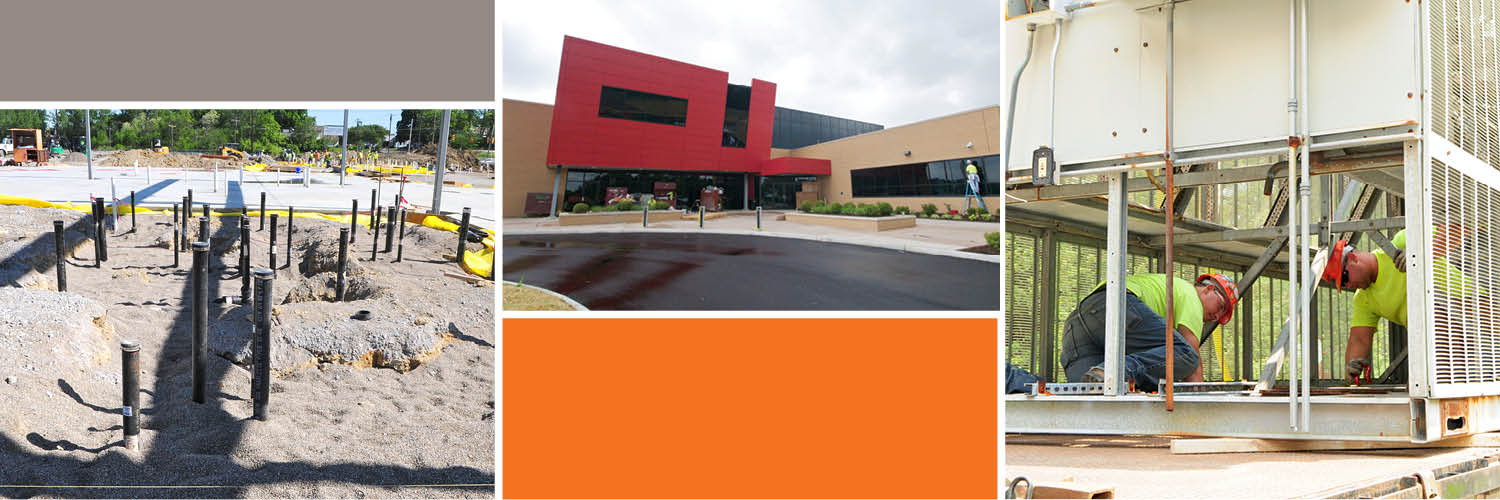
B1000303 OSU NRDT-Tep FULL RES DSC_6731Mechanical equipment is not designed to run forever. It’s important to plan ahead for future replacements. Each piece of equipment has a unique life cycle, and at TP Mechanical, we work with you to develop a timeline for replacement.

The timeline allows your business to plan and, most importantly, save for the replace of the equipment based on its current performance and its typical life cycle. Capital expenses are more palatable when they’re anticipated and planned for. No organization wants to take on surprise costs that may alter your company’s ability to meet business goals and objectives.

B1000303 OSU NRDT-Tep FULL RES DSC_6753So how do we calculate the life cycle of a piece of mechanical equipment:

  1. Review the equipment manufacturer information, warranty, manual and other documentation. Typically, the OEM (Original Equipment Manufacturer) will provide some guidance on the expected life of a piece of equipment – with proper maintenance.
  2. Look at industry research and averages. In many cases, you can learn the typical hours of operation and compare it to your facility’s usage to determine how many years you can expect from the equipment.
    • Boiler – 15 to 25 years, depending on the type
    • Heat Exchanger (commercial shell & tube type) – 20 to 25 years
    • Heat Exchangers (package roof top units) – 8 to 15 years
    • Chiller – 15 to 23 years
  3. Analyze the maintenance history of the equipment. Has it been a problem since the equipment came online? Or has it always run smoothly? Has your team conducted regular maintenance and checks on the equipment? The service history can be an excellent indication of the equipment’s future performance.
  4. Complete a thorough inspection. How much longer your equipment will last depends a lot on the shape it is in today. At TP Mechanical, we recommend checking your equipment at regular points throughout its life cycle. This will alert you and your team to potential problems. It can also spot small issues before they become a crisis.

After a review of all of the available information and an inspection, TP Mechanical can provide you with a recommendation as to when you can expect to replace your mechanical equipment. Armed with the facts, we can develop a maintenance plan and a replacement plan to meet your needs and your budget while maximizing your equipment’s lifecycle.

Let’s Achieve Results with Smaller Smarter Goals

Goal setting is challenging because life gets in the way of our goals.  A great way to achieve our goals is set smaller smarter obtainable goals. Read more about how to set obtainable goals in the article “Personal Goal Setting” by Sarah Pavey, found on http://www.mindtools.com.  (article link http://www.mindtools.com/page6.html)

National Immunization Month

Presented by TP Mechanical | Provided by HORAN

Vaccination Concept: Magnifying Glass

Immunizations can protect you and your family against serious illnesses, including the flu, measles and tuberculosis. August is National Immunization Awareness Month, and this is the time to remind your loved ones about the importance of getting the recommended vaccines to keep everyone healthy. Visit the Centers for Disease Control and Prevention (CDC) website to get the immunization schedules for children and adults for 2014.


Although getting vaccinated is a vital part of preventing illness, children typically see the experience as a stranger in a white jacket poking them with a needle. Here are some tips to help make the trip to the doctor a little less painful:

  • Bring a favorite toy or book for younger children.
  • Hold an infant or small child in your lap, if possible, and bring along a favorite blanket to make him or her feel safe.
  • Sing or talk to your child to soothe him or her while the vaccine is administered.

Keep Your Cool in Hot Weather

Presented by TP Mechanical | Provided by HORAN

July and August are typically the hottest time of the year in most areas of the United States, and these months are often packed with long days at fairs and festivals, family vacations and numerous trips to the pool or lake. While you’re out having fun in the sun, watch for signs of heat illness.

bigstock-Heat-761281According to the National Weather Service, heat is one of the leading weather-related causes of death in the United States, with men more susceptible than women to heat illness because they sweat more. The elderly and children are also at higher risk if they are not careful in the sun.

Sweating is one of the body’s key reactions to heat, but if you lose fluid from sweat that isn’t replaced by drinking enough water, your body temperature can spike dangerously. When the temperature and humidity both rise, your body’s ability to cool itself is also affected because sweat can’t evaporate fast enough to cool your body.

Heat illness occurs along a spectrum, ranging from heat cramps and fainting to heat exhaustion and heat stroke, which is a life-threatening condition. Symptoms of heat exhaustion may include headache, dizziness, cramping, excessive sweating, pale and clammy skin, and rapid but weak pulse. If someone is suffering heat exhaustion, get him or her out of direct sunlight so he or she can cool down and rehydrate.

Heat stroke occurs when the body becomes so hot it loses its ability to cool itself. Heat stroke is typified by headache, dizziness, confusion, hot and dry skin, throbbing pulse, shallow but rapid breathing, and sometimes unconsciousness. If someone is suffering heat stroke, get medical assistance immediately.

Because summertime includes many fun activities out of doors, you don’t want to miss out. Follow these guidelines to stay cool and safe in the sun:

  • Drink water every 15 minutes, even if you don’t feel thirsty, and limit intake of alcoholic and caffeinated beverages.
  • Wear a hat and lightweight clothing, preferably cotton.
  • Wear sunscreen to protect yourself from sunburn, which interferes with the body’s cooling mechanism.
  • Find shade or an air-conditioned building where you can take a break from the heat, especially during midday.
  • Never leave a child unattended in a vehicle, even with the windows open.
  • Let your body acclimate to the heat before attempting vigorous exercise.
The Risks of Sitting

Presented by TP Mechanical | Provided by HORAN

Some doctors are saying that sitting is the new smoking. According to the Mayo Clinic, sitting, like smoking, is a pervasive problem that harms your health. Approximately 80 percent of Americans work a non-active job, making all-day sitting a common condition.

Businessman With Lower Back AcheLengthy, non-interrupted sitting causes poor circulation and low calorie burn and is linked to various health problems, including obesity, hypertension, diabetes and cardiovascular disease, as well as stiffness, headaches and sluggishness.

Your job may require you to spend a considerable amount of time at a desk, or maybe you’re fond of all-day movie marathons. Try these tips to sit less, move more and improve your health:

  • Stand while talking on the phone or watching television.
  • Try a walking or standing meeting at work.
  • Stand up and stretch at least every hour.
  • Wear a pedometer and find ways to add steps into your daily routine.
  • Take the stairs when possible.
  • Consider walking or biking when commuting to work or running errands.