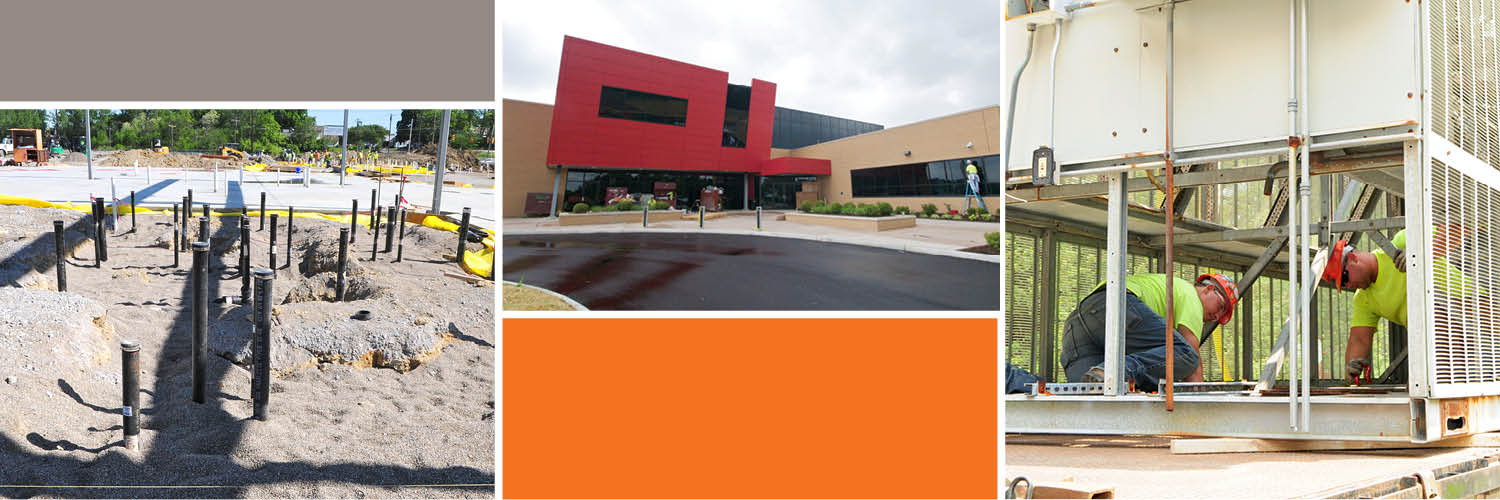
Heat spells ‘hazard on the job’ for workers in the summertime. With the warmer weather moving into our area, the risks for heat-related illnesses increase, especially for workers exposed to humid conditions while wearing bulky protective clothing.
So, how do you stay cool during the warmest months of the year? Would you know the signs if heat exhaustion suddenly hit?
Hydration is Key
The absolute best way to avoid the threat of heat-related illness while working is to stay hydrated. Water is still the go-to drink in extreme heat. As for the amount of water that you will need to stay hydrated, new research suggests we should go beyond the traditional 8 glasses per day rule. Recent studies are saying that on average, adult males need about 3.7 liters of fluids per day (nearly 16 cups), while ladies need roughly 2.7 liters (or 11 cups) per day.
 There are other food options for helping you stay hydrated, including:
- Fruits & vegetables
- Sports drinks
- Smoothies
What to Wear?
OHSA advises workers to wear light, loose-fitting clothing while working in extreme heat. Tightly-woven clothing works best for blocking out light, and the fabric should contain as much cotton as possible.
You should also be wearing sunscreen to block harmful sun rays. A sun protection factor (SPF) of at least 15 blocks 93 percent of UV rays.
Personal Protective Equipment (PPE) for extreme temperatures can include a vented hard hat with UV protection, reflective clothing, body-cooling vests, and water-cooled garments. Workers should also be aware that some equipment can actually increase the risk of heat stress.
Knowing the Signs
Signs of heat exhaustion include disorientation, stumbling, slurred speech and unresponsiveness.
Other symptoms include:
- Muscle cramps
- Heat rash
- Nausea
- Headache
- Severe thirst
TP Mechanical puts Safety First, Always First. Read more about TP Mechanical’s commitment to Safety.
